![]() |
| Switch Disconnector Fuse |
![]() |
| MCB / MCCB |
Rating :- Voltage, Current, Withstanding Fault Current
![]() |
| CONTACTOR |
![]() |
| Overload Relay |
![]() |
| RELAY |
![]() |
| Switch Disconnector Fuse |
![]() |
| MCB / MCCB |
Rating :- Voltage, Current, Withstanding Fault Current
![]() |
| CONTACTOR |
![]() |
| Overload Relay |
![]() |
| RELAY |
|
absorptiometer
|
instrument for measuring solubility of gases in liquids
|
|
accelerometer
|
instrument for measuring acceleration or vibrations
|
|
acetimeter
|
instrument for measuring strength of vinegar
|
|
acidimeter
|
instrument for measuring concentration of acids
|
|
actinograph
|
instrument used to calculate time of photographic exposure
|
|
actinometer
|
instrument for measuring incident radiation
|
|
aerometer
|
instrument for measuring weight or density of gas
|
|
aethrioscope
|
instrument for measuring temperature variations due to sky conditions
|
|
alcoholometer
|
instrument for measuring proportion of alcohol in solutions
|
|
alcovinometer
|
instrument to measure strength of wine
|
|
algometer
|
instrument for measuring sensitivity to pain
|
|
alkalimeter
|
instrument for measuring strength of alkalines
|
|
altimeter
|
instrument for measuring altitude
|
|
ammeter
|
instrument for measuring electrical current
|
|
anemograph
|
instrument for measuring pressure and velocity of wind
|
|
anemometer
|
instrument for measuring wind velocity
|
|
areometer
|
instrument used for measuring specific gravity
|
|
arthroscope
|
instrument for examining interior of a joint
|
|
atmometer
|
instrument for measuring evaporating capacity of air
|
|
audiometer
|
instrument for measuring acuity of hearing
|
|
auriscope
|
instrument for examining the ear
|
|
auxanometer
|
instrument for measuring growth of plants
|
|
auxometer
|
instrument for measuring magnifying power
|
|
ballistocardiograph
|
instrument for detecting body movements caused by heartbeat
|
|
barograph
|
instrument for recording air pressure
|
|
barometer
|
instrument for measuring air pressure
|
|
baroscope
|
weather-glass
|
|
bathymeter
|
instrument for recording contours of deep oceans
|
|
bathythermograph
|
instrument for recording water temperature as compared to depth
|
|
bolometer
|
instrument for measuring radiant energy or infrared light
|
|
bronchoscope
|
instrument for examining the windpipe
|
|
calorimeter
|
instrument for measuring absorbed or evolved heat
|
|
cardiograph
|
instrument for recording movements of the heart
|
|
cathetometer
|
instrument for measuring short vertical distances
|
|
ceilometer
|
instrument for measuring height of cloud ceiling above earth
|
|
ceraunograph
|
instrument for recording thunder and lightning
|
|
chlorometer
|
instrument for measuring amount of chlorine in a solution
|
|
chromatograph
|
instrument for performing chromatographic separations
|
|
chromatoptometer
|
instrument measuring eyes’ sensitivity to colour
|
|
chronograph
|
instrument for recording the moment of an event
|
|
chronometer
|
instrument for measuring time
|
|
chronoscope
|
instrument for measuring very short time intervals
|
|
clinometer
|
instrument used to measure slopes and elevations
|
|
coercimeter
|
instrument for measuring coercive force
|
|
colonoscope
|
instrument for viewing the colon
|
|
colorimeter
|
instrument for measuring and determining color
|
|
colposcope
|
instrument for viewing the neck of the uterus
|
|
coronagraph
|
instrument for viewing the corona of the sun
|
|
coulombmeter
|
instrument for measuring electric charge
|
|
coulometer
|
instrument measuring amount of substance released in electrolysis
|
|
craniometer
|
instrument for measuring the skull
|
![]() |
| Thermocouple |
![]() |
| Standalone controller (PID) |
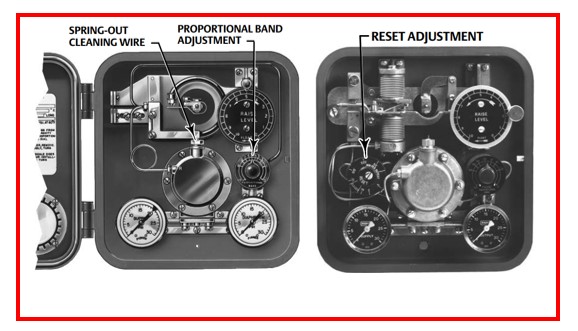
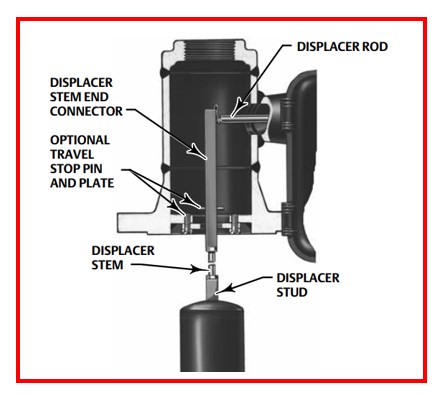
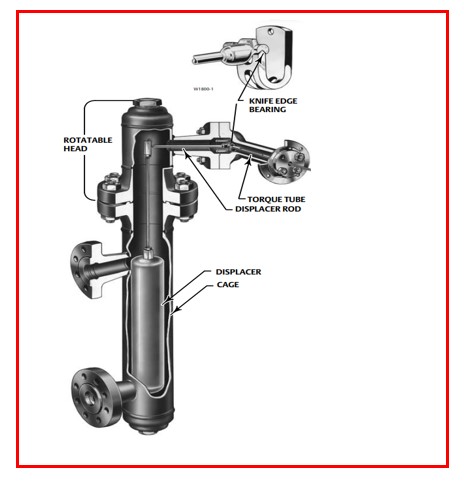
Displacer level instruments use the Archimedes Principle to measure the level of a liquid by measuring the weight of a rod that is immersed in the process liquid. As liquid level rises, the displacer rod experiences a greater buoyant force, appearing lighter to the sensing instrument, which interprets the loss of weight as a rise in level and transmits a proportional output signal.


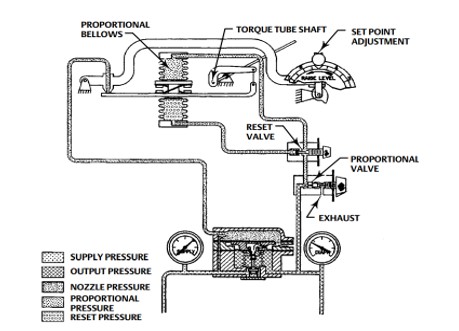
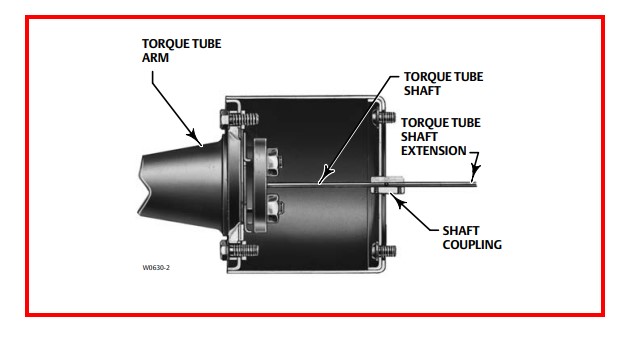
Parts of the pneumatic Level Troll are shown with the diagram below:


What is PLC?
Â
Cost effective.
Easy maintenance
User friendly
Easy programming
Easy troubleshooting
Components of a PLC
CPU (Central processing unit )
I/O Modules (Input ouput module)
Communication module
PLC programming languages
Ladder logic
Functional block diagram
Structured test
Sequential flow chart
Instruction list
Download free PLC programming software with Simulator
Next blog post is about “How to do ladder logic programming in allen bradly PLC.
Related posts:
Difference between control panel and MCC
What is control panel?Â
Basic networking : Industrial automationÂ
How to read electrical relay diagram
*Hook up HART Communicator and verify some parameters by refer to data sheet. Typical parameters are, tag number, PV, LRV and URV.*Isolate the instrument from the process.
*Release both pressure and drain low side liquid only through manifold drain.
*During this process, please do not open the equalizing valve at the manifold.
*Open both plug at seal pot
*Top up the seal liquid for low side until half of seal pot.
*Remove the tubing at high side of the flange (not at the manifold side) to drain remaining liquid in equalizing tube.
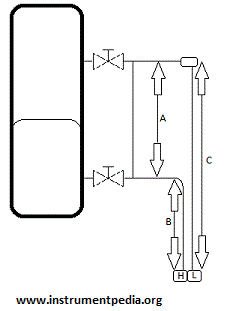
*Do not remove the process fluid in B. Please ensure it is full with process liquid.
*Install back both plug and connect back tubing at high side of the flange
*Hook up a multimeter in series with the signal to the DCS to measure current signal.
*Open low side (top) isolation valve only and high side (bottom) isolation valve remain closed
Multimeter should show 4mA If not, do zero adjustment at transmitter using HART Communicator.
Isolate back low side (top) isolation valve and released the pressure through high side vent valve seal pot.
Close the vent at seal pot
*Fill up the equalizing tube until full with product by removed the top fitting and slowly open the isolation valve (high side) until the equalizing tube is full (or up to 100% level) with product. Close the high side isolation valve.
*Install back any fitting that was remove for filling up the equalizing tube
*Open low side (top) isolation valve only and high remain closed.Multimeter should show 20mA
If not, do span adjustment at transmitter using HART Communicator
Note:
The reason to open the low side (top) isolation valve is to get the actual pressure vessel
Example Calculation:
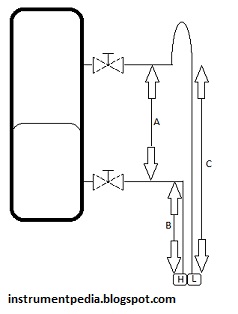
Product S.G=0.89
Glycol S.G = 1.02
A= 2000mm (measurement length)
B= 100mm (off set)
C=A+B=2100mm
Dp = pressure at high side – pressure at low side
LRV   = (B x Product S.G) – (A x Glycol S.G)
= (100mm x 0.89) – (2000 x 1.02)
= 89 – 2040
= -1951 mmH2O
URV    = (C x Product S.G) – (A x Glycol S.G)
= (2100mm x 0.89) – (2000 x 1.02)
= 1869 – 2040
= -171 mmH2O
LRV and URV calculation may have small variation as compare with HART communicator reading due to calibration with actual pressure.
Related Post:
Calibrate Displacer Type Level transmitter
Differential Pressure Level transmitter Capillary type
Flow transmitter Pitot tube
Differential Pressure Flow transmitter
*Hook up HART Communicator and verify some parameters by refer to data sheet. Typical parameters are, tag number, PV, LRV and URV.
*Isolate the instrument from the process.
*Remove connection at manifold to the process after release the process pressure
*Connect pressure calibrator to high side of manifold
*Expose the low side to atmosphere
*Hook up a multimeter in series with the signal to the DCS to measure current signal.
*Apply pressure as per data sheet LRV
Multimeter should show 4mA
If not, do zero adjustment at transmitter using HART Communicator
*Apply pressure as per data sheet URV
Multimeter should show 20mA
If not, do span adjustment at transmitter using HART Communicator
*Verify the linearity by increasing and decreasing the pressure (0%,25%,50%,75%,100%,75%,50%,25% and 0%of range)
LRV and URV range from data sheet should include the pressure effect from bottom flange height to the transmitter and the SG of process liquid.
Example calculation
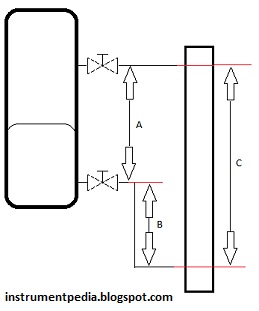
S.G=0.89
A= 2000mm (measurement length)
B= 100mm (off set)
C=A+B=2100mm
Dp = pressure at high side – pressure at low side
LRV   = (B x S.G) – pressure at low side
= (100mm x 0.89) – 0
= 89 mmH2O
URV    = (C x S.G) – pressure at low side
= (2100mm x 0.89) – 0
= 1869 mmH2O
Related posts:
Displacer level transmitter calibration and installation consideration
Capillary type DP level transmitter
Flow transmitter pitot type calculation and calibration
DP Flow transmitter calculation and calibration.
*Hook up HART Communicator and verify some parameters by refer to data sheet. Typical parameters are, tag number, PV, LRV and URV.
*Isolate the instrument from the process.
WARNING – If the process is hazardous, please unsure proper flushing is done to remove the entire hazard.
Remove isolation drain valve and open the vent flange
*Connect water pump to drain line and line up the reference tube
*Calculate the new measurement to get equivalent up trust force with S.G and length
*Mark on the chamber for reference calibration
*Hook up a multimeter in series with the signal to the DCS to measure current signal.
*Apply water level until 0% marking on chamber
*Multimeter should show 4mA
*If not, do zero adjustment at transmitter using HART Communicator
Apply water level until 100% marking on chamber
Multimeter should show 20mA
*If not, do span adjustment at transmitter using HART Communicator
Verify the linearity by increasing and decreasing the pressure (0%,25%,50%,75%,100%,75%,50%,25% and 0%of range)
Low S.G=0.802
High S.G= 0.992
A= 810mm (measurement length)
B= 410mm (off set)
C=A+B=1220mm (Displacer length)
0%Â Â Â = (High S.G x off set length) + (low S.G x A)
= (0.992 x 410) + (0.802 x 810)
= 406.72 + 649.62
= 1056.34mm
100% Â Â Â = (High S.G x C)
= (0.992 x 1220)
= 1210.24mm